Arden Hills Roof Replacement — Where the Build Quality Gets Tested Every Winter
Arden Hills Properties and the Roofing Pressures They Face
Arden Hills carries a mixed residential profile — established neighborhoods from the 1970s and 1980s alongside planned developments from more recent decades, with lot sizes and housing configurations that vary significantly from one street to the next. Older sections contain the same rafter-framed, original-deck construction common to the broader Ramsey County housing stock from that era, while newer areas present engineered trusses and modern sheathing — but in both cases the exterior roofing system faces the same Minnesota climate pressures year after year. The community's mix of mature canopy coverage and more open exposures means hail damage patterns vary by neighborhood. Heavily treed areas accumulate debris at roof surfaces and in gutters, accelerating drainage problems and organic growth on shaded planes. More open residential exposures face direct wind and hail impact without the intermittent shielding of the canopy — different risk profile, same consequence when a significant storm passes through. Ramsey County sits in the documented northern metro hail corridor, and Arden Hills properties follow the same regional exposure pattern as neighboring communities. Significant storm events produce granule displacement and flashing impact that accumulates across seasons without immediately visible interior symptoms. The gap between when storm damage occurs and when a homeowner first notices water intrusion can span multiple years, during which the surface condition continues to deteriorate. Inspection after any significant event is the only way to accurately understand what a storm actually did to the roofing system as a whole.
What Storm History and Freeze-Thaw Do to Arden Hills Rooflines
Roof replacement decisions in Arden Hills involve variables that shift depending on when the home was built and what has happened to the roof since its original installation. Properties from the 1970s and early 1980s are well past the 40-year mark — territory where replacement is not approaching, it has arrived. Homes from the 1990s carry roofing that is at or approaching the end of standard architectural shingle lifespan, particularly if the original installation was standard rather than premium tier. Newer construction presents a longer remaining life expectancy, though documented storm history can override that calculation entirely. What does not change across that range is the process requirement. A proper replacement starts with accurate documentation of current condition — every roof plane, all penetrations and transitions, ventilation assessment, and deck evaluation after tear-off. The scope needs to be confirmed in writing before material is ordered. Surprises after tear-off that are not discovered until work is already underway produce cost disputes that could have been avoided with honest pre-work inspection and a written agreement that accounts for contingencies. The ventilation question applies consistently across Arden Hills' housing stock. Older homes frequently have under-ventilated attic systems — insulation added over years without corresponding ventilation upgrades — which contributes to ice dam formation, premature shingle aging, and attic moisture that damages structural members over time. Ventilation correction as part of a replacement project addresses the system that determines how long the new roof performs, and it should be evaluated and documented before installation rather than flagged as a future add-on after the new roof is already in place.
Roof Replacement for Arden Hills Homes
Arden Hills roof replacements require the same permitting and technical standards that apply across Ramsey County residential roofing. Minnesota Zone 6a code specifies ice and water shield, ventilation ratios, and proper edge treatment as required components of any compliant project. Every full replacement generates a permit obligation. A contractor who proposes working around that process is creating exposure: warranty issues, resale complications, and liability for unpermitted structural work that transfers to the homeowner when it surfaces at resale inspection or beyond. The housing mix in Arden Hills creates meaningful scope variability that needs to be confirmed before a final price is established. Older properties often have original board decking that requires close assessment after tear-off before new material goes down. Properties from the 1980s and 1990s typically have plywood decking in reasonable condition but may show delamination where recurring moisture exposure has occurred. Newer construction generally presents cleaner deck conditions, though flashing at penetrations frequently needs attention regardless of the home's age. The Class 4 upgrade case applies clearly in Arden Hills. Ramsey County carriers offering impact-resistant shingle discounts recognize the same hail corridor exposure that affects the broader northern metro residential market. The annual premium reduction recurs for the full life of the installation — and Arden Hills properties with significant remaining ownership horizon capture the most benefit from that math. On a 25-year installation, the accumulated premium savings typically offset the material cost difference and continue producing returns for the remainder of the roof's service life.
Hail and Storm Damage Repair in Arden Hills
Storm damage assessments in Arden Hills follow the same physical patterns observed across the northern metro hail corridor. Hail impacts produce granule displacement on asphalt shingles, dimpling on metal gutters and flashing components, and cracking or lifting at shingle tabs — damage that accumulates across multiple seasons and often remains invisible from ground level until interior symptoms develop. Wind events lift or crack shingles at ridge lines and eave edges, creating entry points that produce interior water staining well after the originating storm has passed. Arden Hills' mixed residential canopy creates variability in how damage presents across individual properties. Open-lot properties receive direct impact across all roof planes. Heavily treed properties may have partial canopy shielding that protects some areas while leaving others fully exposed — and that asymmetric damage pattern requires careful inspection of every plane to document completely. An assessment that covers only the most obviously damaged areas will miss impact evidence that is present on other surfaces and legitimate for insurance submission. Documentation quality determines how an Arden Hills insurance claim resolves. Carriers require photographic evidence of impact damage across all affected components — shingles, flashing, gutters, vents — with enough clarity to support a scope determination without the adjuster having to infer damage from ambiguous images. A written inspection report formatted for submission is what the process requires. The inspection needs to occur promptly after the event, before normal weathering begins to obscure the freshest and most legible impact evidence from the storm.
Class 4 Impact-Resistant Shingles in Arden Hills
Arden Hills homeowners currently in the replacement cycle have a specific financial advantage available through Class 4 impact-resistant shingles that changes the long-term cost calculation on the upgrade. Ramsey County insurance carriers offering the impact-resistant discount apply the reduction annually — not as a one-time credit — meaning the savings accumulate across the life of the new roof. On a 25- to 30-year installation, the accumulated premium reductions typically offset the material cost difference within the first several years, with the benefit continuing for the remainder of the roof's service life. The durability case reflects the northern metro hail exposure that Arden Hills shares with neighboring communities. Standard architectural shingles accumulate granule loss across multiple seasons of moderate hail events without a single storm producing catastrophic visible damage — a slow degradation that shortens remaining service life without triggering a clear insurance event. Class 4 products rated under UL 2218 testing carry meaningfully greater resistance to that incremental stress pattern. The performance difference is not visible at installation; it shows up in the condition of the roof a decade or more later. Current Class 4 product lines from GAF, Owens Corning, and CertainTeed are available in the same architectural profiles as standard shingles — there is no aesthetic compromise in the current generation. The certification documentation needed for carrier discount submission is generated at project close and should be provided to every homeowner choosing Class 4 material as a standard part of project delivery. It is the paperwork that initiates the annual premium reduction, and it needs to be passed from contractor to homeowner at completion, not retrieved later.
Comprehensive Residential Roofing Services in Blaine
Tailored to Your Needs
From full roof replacements and storm damage repair to Class 4 impact shingle installation and targeted leak fixes, we cover the complete scope of residential roofing for Blaine and Anoka County homeowners. Every service is permitted, documented, and installed to Minnesota Zone 6a code standards.

Full residential roof replacement in Blaine — permitted, documented, and installed to Zone 6a code standards on every project.

Targeted roof repair in Blaine — accurate leak diagnosis, correct fix, and insurance documentation when the damage is storm-related.
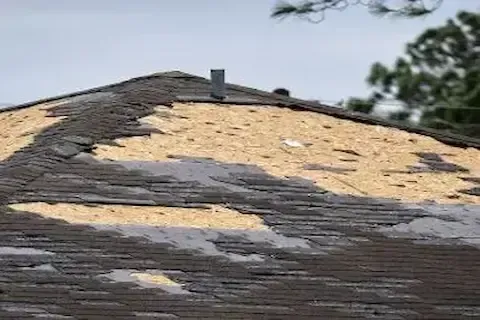
Storm and hail damage roof repair in Blaine — documented inspections, full insurance claim support, and permitted installation for Anoka County homeowners.
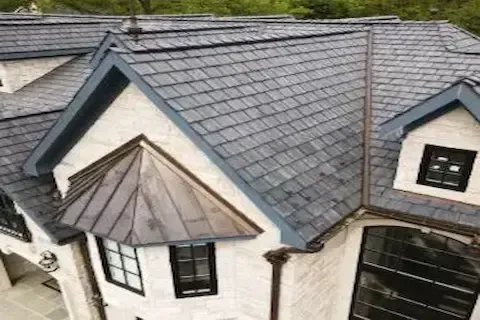
Class 4 impact-resistant shingle installation in Blaine — storm protection and insurance premium reductions for qualifying Anoka County homeowners.
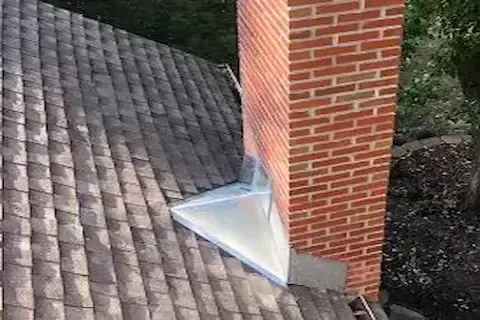
Roof flashing repair and replacement in Blaine — accurate diagnosis of chimney, pipe, and skylight flashing failures with durable, correct repairs.
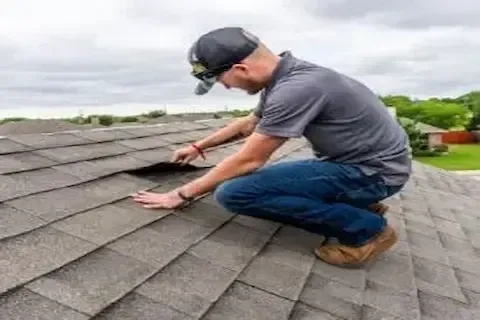
Thorough roof inspections in Blaine — written condition reports with photographs for storm damage assessment, pre-purchase review, and routine maintenance documentation.
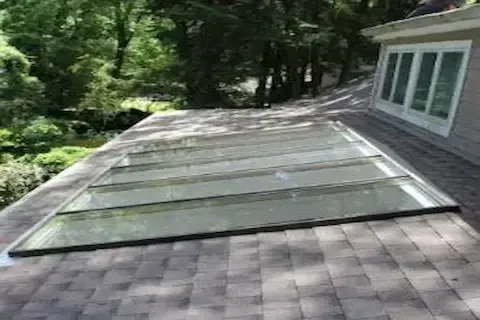
Skylight installation and repair in Blaine — manufacturer-specific flashing and Zone 6a compliant installation for lasting weathertight performance.
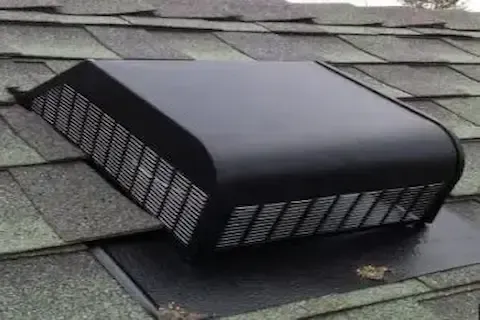
Roof ventilation assessment and correction in Blaine — protecting against ice dams, premature shingle aging, and attic moisture for Anoka County homes.
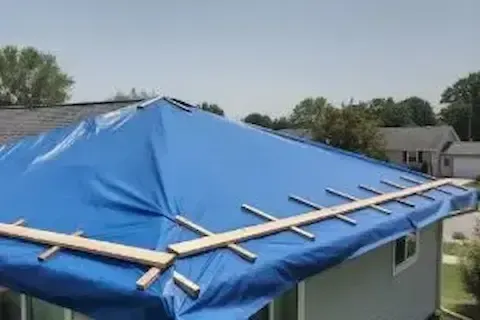
Emergency roof tarping in Blaine — rapid response to storm and impact breaches with damage documentation for Anoka County insurance claims.
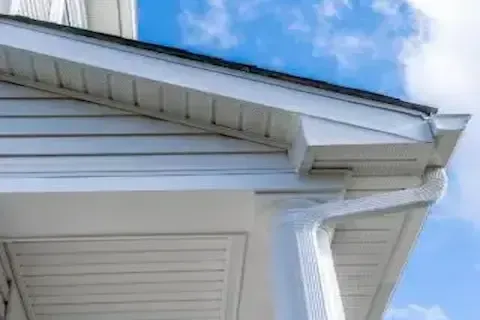
Soffit and fascia repair and replacement in Blaine — aluminum and vinyl solutions that restore roofline integrity and soffit ventilation for Anoka County homes.
Frequently Asked Questions
Residential Roofing can be complex, and we’re here to provide answers to common questions. Here are some frequently asked questions from our clients.
Frequently Asked Questions about Roof Replacement Blaine MN
How much does a roof replacement cost in Blaine, MN?
Roof replacement in Blaine typically ranges from $8,000 to $18,000 depending on square footage, shingle type, and roofline complexity. Homes with steep pitch or multiple penetrations generally run toward the higher end. Class 4 impact-resistant shingles cost more upfront but can reduce your homeowners insurance premium by 10 to 30 percent annually with qualifying Anoka County carriers — changing the long-term math on the upgrade.
Do I need a permit for roof replacement in Blaine?
Yes. Anoka County requires a building permit for full roof replacements in Blaine. The process involves contractor documentation, permit fees, and a required post-installation inspection. A licensed contractor typically pulls the permit on your behalf. Skipping the permit process creates problems at resale and can void your shingle manufacturer warranty — any contractor who suggests bypassing it is a red flag.
How do I know if my roof needs replacement or just repair?
If your roof is under 15 years old with isolated damage, repair is often the right call. If it's 20-plus years old, shows widespread granule loss, multiple leak sources, or sustained hail impact across more than 30 percent of the surface, replacement is typically the better long-term value. A professional inspection with a written condition report is the only reliable way to answer this question for your specific roof.
Does homeowners insurance cover roof replacement in Blaine?
Most Minnesota homeowners policies cover roof replacement when damage results from a covered peril — hail, wind, and ice dams are all common triggers in Anoka County. Blaine's documented hail frequency means many local policies carry specific storm damage provisions. Having your contractor present during the adjuster's site visit is strongly recommended to ensure all damage is captured in the scope.
What is a Class 4 impact-resistant shingle and why does it matter in Blaine?
Class 4 is the highest UL 2218 impact resistance rating for asphalt shingles — products that passed testing designed to simulate hail impact without cracking. In Blaine and Anoka County, which sit in a documented hail corridor, Class 4 shingles offer real durability benefits and qualify homeowners for insurance premium discounts. Several major carriers have offered 10 to 30 percent reductions for certified Class 4 installations in Minnesota.
How long does roof replacement take in Blaine, MN?
Most residential replacements in Blaine complete in one to two days under normal conditions. Larger homes, complex rooflines, or installs requiring deck replacement may extend that timeline. Weather holds are common November through March. Your contractor should provide a written timeline and communicate any delays as they occur — a vague verbal estimate is not sufficient for planning purposes.
Need Residential Roofing?
What Our Satisfied Clients Have to Say About Blaine Roofing
We pride ourselves on delivering great results and experiences for each client. Hear directly from home and business owners who’ve trusted us with their Residential Roofing needs.

We had significant hail damage after a June storm and didn't know where to start. They handled the inspection, the insurance documentation, and the entire claim process. New roof is installed, permits closed, and our premium dropped after we submitted the Class 4 certification to our carrier. Professional start to finish.
Karen W.
Got three bids after the spring storm. These were the only ones who actually walked the roof and gave us a written inspection report before quoting anything. The install crew cleaned up every day, the permit was pulled correctly, and the foreman walked us through everything before they left. Would recommend without hesitation.
Mark and Diane S.
Had a leak they traced to a flashing failure at the chimney — two other contractors missed it entirely. Fixed the right problem the first time at a fair price. That's all you can ask for. Will be calling them when the full replacement comes due in a few years.
Tom R.
The Trusted Residential Roofing Expert Near You
Ready to hear more about expert services at Blaine Roofing?
Contact us today to receive a detailed, no-obligation quote.
Blaine & the Twin Cities metro
Monday-Friday: 9am-5pm, Saturday: 11am-3pm