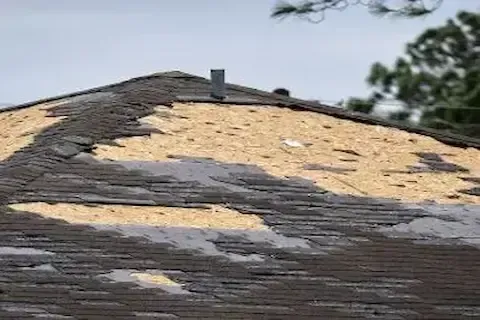
Storm and Hail Damage Roof Repair in Blaine Minnesota
When severe weather strikes Blaine, Minnesota, your roof bears the brunt of nature's fury. Hail damage, high winds, and driving rain can compromise your home's protective barrier in minutes, leaving you facing costly repairs and potential water damage. Understanding the full scope of storm damage repair—from emergency tarping to complete roof replacement—helps you navigate the insurance process and restore your home's security effectively.
Understanding Storm and Hail Damage Types
Storm damage manifests in multiple ways across Blaine's residential roofing systems. Hail impact creates circular indentations in asphalt shingles, often exposing the mat beneath protective granules. These impacts weaken the shingle structure, accelerating deterioration and creating entry points for moisture. Wind damage typically appears as lifted, torn, or completely missing shingles, while debris impact can puncture or crack roofing materials.
Identifying less obvious damage requires professional assessment. Granule loss may appear minimal initially but compromises long-term weather resistance. Seal strip damage allows wind to penetrate beneath shingles during subsequent storms. Flashing displacement around chimneys, vents, and roof penetrations creates immediate leak risks that homeowners often overlook during initial damage surveys.
Gutters and downspouts frequently sustain dents, separations, or complete detachment during severe weather events. These components play crucial roles in directing water away from your foundation, making their prompt repair essential for preventing secondary damage to your property's structural elements.
Emergency Response and Damage Mitigation
Immediate action following storm events prevents minor damage from escalating into major structural problems. Safety remains paramount during initial assessment—never attempt roof inspection during ongoing severe weather or when surfaces remain wet and slippery. Ground-level evaluation using binoculars allows homeowners to identify obvious damage without risking personal injury.
Emergency tarping provides temporary weather protection while permanent repairs are scheduled. Professional contractors use heavy-duty tarps secured with battens and fasteners designed to withstand Minnesota weather conditions. Proper installation extends beyond the damaged area to ensure water cannot penetrate beneath tarp edges.
Storm & Hail Damage Roof Repair services include comprehensive damage documentation for insurance claims. Professional contractors photograph damage from multiple angles, measure affected areas, and provide detailed written assessments that insurance adjusters require for claim processing.
Interior damage assessment identifies water infiltration patterns that may indicate roof compromise. Water stains on ceilings, wall discoloration, or moisture in attic spaces signal immediate attention needs. Prompt interior drying prevents mold growth and structural deterioration that significantly increases repair costs.
Insurance Documentation and Claims Process
Successful insurance claims require thorough documentation beginning immediately after storm events. Photograph damage from ground level and document interior water damage with timestamp capabilities enabled on cameras or smartphones. Maintain detailed records of temporary repairs, including receipts for emergency services and materials.
Professional inspections provide comprehensive damage assessments that support insurance claims. Certified contractors identify damage that untrained homeowners might miss, including subtle hail impacts, wind-related seal failures, and secondary damage to gutters, siding, and other building components. Their written reports carry significant weight with insurance adjusters familiar with professional industry standards.
Understanding insurance policy coverage helps homeowners navigate claim negotiations effectively. Most policies cover sudden damage from weather events but may exclude maintenance-related issues or pre-existing conditions. Actual cash value policies factor in depreciation, while replacement cost coverage provides full repair funding without depreciation deductions.
Working directly with insurance adjusters requires preparation and documentation. Schedule adjuster visits when professional contractors can be present to point out damage and explain repair requirements. Insurance companies often prefer working with established local contractors who understand Minnesota building codes and weather-appropriate repair techniques.
Repair vs. Replacement Decision Factors
Determining repair versus replacement depends on multiple factors beyond visible damage extent. Age of existing roofing materials influences decision-making, as repairs on older systems may provide limited service life. Minnesota's harsh climate accelerates aging, making replacement more cost-effective for roofs approaching their expected lifespan.
Damage distribution patterns affect repair feasibility. Localized damage to small roof sections often allows effective spot repairs, while widespread damage across multiple roof planes typically necessitates full replacement. Matching existing materials becomes challenging when manufacturers discontinue specific products or color variations.
Building code compliance requirements may mandate upgrades during repair projects. Current codes often exceed standards in place when older homes were constructed, potentially requiring structural modifications, improved ventilation, or enhanced ice dam protection measures common in Blaine's climate zone.
Energy efficiency considerations influence replacement decisions. Modern roofing materials offer improved insulation values and reflective properties that reduce heating and cooling costs. Storm damage provides opportunities to upgrade to energy-efficient systems that qualify for utility rebates or tax incentives.
Local Weather Patterns and Risk Factors
Blaine's location in the Twin Cities metropolitan area exposes properties to diverse severe weather patterns. The city experiences frequent thunderstorms during spring and summer months, often accompanied by large hail and damaging winds. Understanding seasonal risk patterns helps homeowners prepare for potential damage and schedule preventive maintenance effectively.
Hail size and frequency data for the Blaine area shows significant variations from year to year. The National Weather Service tracks hail events exceeding one inch in diameter, which typically cause roof damage requiring professional repair. Local meteorological patterns create hail corridors that repeatedly affect specific neighborhoods during severe weather seasons.
Wind patterns in Blaine often intensify storm damage through directional forces that stress roofing systems beyond design limits. Northwestern winds common during severe weather events create uplift forces on south-facing roof slopes, while wind-driven debris impact increases puncture and tear damage risks.
Ice dam formation during Minnesota winters compounds storm damage effects. Inadequate attic insulation and ventilation allow heat loss that melts roof snow, creating ice dams that force water beneath shingles. Spring storms affecting ice-damaged roofs often result in immediate leak problems requiring emergency repairs.
Professional Repair Processes and Techniques
Professional storm damage repair follows systematic processes designed to restore full weather protection efficiently. Initial assessment includes comprehensive documentation of all damage, material quantity calculations, and repair timeline estimates. Experienced contractors coordinate material orders to minimize project delays during peak storm season demand.
Shingle replacement techniques vary based on damage patterns and existing roof configuration. Individual shingle replacement works effectively for isolated hail damage, while section replacement addresses wind damage affecting multiple adjacent shingles. Proper installation requires matching existing exposure lines and maintaining manufacturer warranty requirements.
Flashing repair often requires custom fabrication to match existing profiles and ensure proper water diversion. Storm damage frequently affects step flashing, valley flashing, and penetration seals that protect vulnerable roof areas. Professional installation includes appropriate sealants and fasteners rated for Minnesota weather exposure.
Underlayment replacement becomes necessary when storm damage compromises the protective barrier beneath shingles. Modern synthetic underlayments offer improved tear resistance and weather protection compared to traditional felt products. Proper installation includes appropriate overlap and fastening patterns that meet code requirements.
Quality Materials and Weather Resistance
Material selection significantly influences repair longevity and future storm resistance. Impact-resistant shingles carry Class 4 ratings indicating superior hail resistance compared to standard products. These materials often qualify for insurance premium discounts while providing enhanced protection against future storm events.
Fastener quality affects repair durability under Minnesota weather conditions. Stainless steel or galvanized fasteners resist corrosion from moisture exposure, while proper length and shank design prevent wind uplift failures. Ring-shank nails provide superior holding power compared to smooth-shank alternatives.
Sealant and adhesive products must withstand temperature extremes common in Blaine's climate. High-quality sealants maintain flexibility through freeze-thaw cycles while providing long-term water resistance around penetrations and flashing details. Professional contractors select products appropriate for specific applications and exposure conditions.
Ventilation component replacement often accompanies storm repairs to improve attic airflow and prevent future ice dam formation. Ridge vents, soffit vents, and exhaust fans work together to maintain proper attic conditions that extend roofing material life and improve energy efficiency.
Long-term Maintenance and Prevention
Post-repair maintenance programs help identify developing problems before they compromise weather protection. Annual inspections should focus on areas previously damaged by storms, as these locations often show accelerated wear patterns. Professional inspections every three years provide comprehensive assessments that homeowner inspections might miss.
Gutter and downspout maintenance prevents water backup that can undermine storm repairs. Regular cleaning removes debris that blocks drainage, while seasonal inspections identify developing separation or alignment problems. Proper drainage becomes especially critical following roof repairs that may have altered water flow patterns.
Tree management reduces future storm damage risks around Blaine properties. Pruning branches that overhang roofs eliminates impact damage sources during wind events, while removing dead or diseased trees prevents major debris impact during severe weather. Professional arborists understand species-specific risks and appropriate trimming techniques.
Weather monitoring helps homeowners prepare for approaching severe weather. Local weather services provide advance warning for hail and wind events, allowing time to secure outdoor items and document pre-storm roof conditions. Post-storm inspections should occur promptly to identify damage before secondary weather events cause additional problems.
