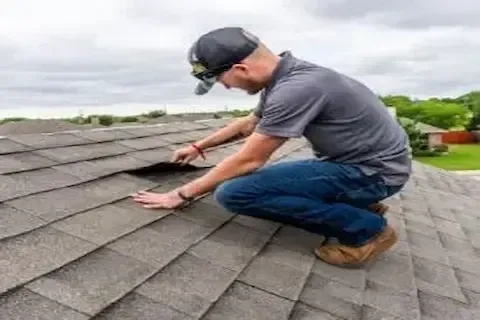
Spring Roof Assessment Visit for Anoka County Homes
Winter in Anoka County puts tremendous stress on residential roofing systems, making a comprehensive spring assessment essential for every homeowner. The freeze-thaw cycles, heavy snow loads, and ice formation that characterize Minnesota winters can cause significant damage that remains hidden until warmer weather reveals the full extent of structural compromises.
Critical Winter Damage Assessment Areas
A professional spring roof assessment focuses on specific damage patterns common to Anoka County's harsh winter conditions. Ice dam formation along roof edges creates the most frequent problems, where repeated freezing and thawing cycles force water under shingles and into underlying structures. These areas require immediate attention as moisture infiltration can rapidly escalate into major structural issues.
Snow load stress manifests in several ways throughout the roofing system. Heavy accumulation can cause rafters to shift slightly, creating nail pops where fasteners work loose from their original positions. Shingle tabs that appear lifted or curled often indicate stress damage from weight distribution, while granule loss accelerates in areas where ice and snow remained longest.
Flashing inspection becomes particularly crucial around chimneys, vent penetrations, and roof valleys where winter weather concentrates its destructive force. Professional Roof Inspection & Assessment services examine these vulnerable transition points for separation, cracking, or displacement that compromises the waterproof barrier.
Identifying Structural Stress Indicators
The spring assessment process reveals stress patterns that develop gradually throughout winter months. Sagging areas along the roof line indicate potential rafter damage or inadequate support for snow loads. Even minor depressions can signal underlying structural weakening that requires professional evaluation.
Fastener integrity becomes compromised when freeze-thaw cycles work nails loose from decking materials. Popped nail heads create immediate leak points, while loosened fasteners allow shingles to lift in spring winds. The assessment identifies these vulnerabilities before they progress to major failures.
Gutter and downspout evaluation reveals ice damage patterns that affect overall roof drainage. Separated joints, pulled fasteners, and bent sections indicate where ice expansion exceeded the system's capacity. Poor drainage from winter damage creates conditions for future ice dam formation and roof edge deterioration.
Documentation and Priority Assessment
Professional assessments document damage with photographic evidence and detailed condition reports. This documentation serves multiple purposes, including insurance claim preparation, repair prioritization, and long-term maintenance planning. Each identified issue receives a priority ranking based on its potential for rapid deterioration and structural impact.
Common Post-Winter Roofing Issues
Shingle damage manifests in predictable patterns following severe winter weather. Cracked or split shingles typically occur along stress concentration points where thermal expansion and contraction exceed material flexibility. Missing shingle tabs create immediate exposure risks that require prompt replacement to prevent water infiltration.
Granule loss accelerates during winter months due to ice scraping and thermal cycling. Excessive granule accumulation in gutters indicates advanced shingle deterioration that may necessitate replacement rather than repair. The assessment evaluates whether granule loss remains within acceptable limits or requires intervention.
Membrane exposure on low-slope sections becomes critical when protective granule layers wear away. These areas develop leak potential rapidly once underlying materials face direct weather exposure. Professional evaluation determines whether localized repairs suffice or if broader membrane replacement becomes necessary.
Ventilation System Evaluation
Winter weather often compromises attic ventilation systems through ice formation and debris accumulation. Blocked intake vents reduce airflow that prevents proper moisture management and temperature regulation. The spring assessment verifies that all ventilation components function properly to prevent future ice dam formation.
Repair Priority and Safety Considerations
Emergency repairs address immediate water infiltration risks that could cause rapid damage escalation. These include exposed decking, separated flashing, and missing shingles that provide direct weather access to interior spaces. Such repairs require immediate professional attention regardless of weather conditions.
High-priority repairs encompass damage that will deteriorate rapidly without intervention but doesn't pose immediate infiltration risks. Loose fasteners, minor flashing separation, and early-stage shingle lifting fall into this category. Addressing these issues promptly prevents their progression to emergency status.
Homeowners in Anoka County should avoid attempting roof repairs themselves, particularly on snow-covered or ice-slicked surfaces. Professional contractors possess the equipment, training, and insurance coverage necessary for safe spring roof work. The assessment process includes safety evaluation to determine when conditions allow for repair work to commence.
Long-term Maintenance Planning
The spring assessment establishes baseline conditions for ongoing maintenance planning throughout the year. Regular monitoring of identified weak points allows homeowners to address minor issues before they develop into major problems. This proactive approach significantly extends roof system lifespan while reducing long-term maintenance costs.
Preventive measures recommended during the assessment may include improved attic insulation, enhanced ventilation, or gutter system upgrades designed to minimize future winter damage. These improvements prove particularly valuable for homes in Anoka County, where severe winter weather occurs annually.
Scheduling follow-up inspections creates accountability for monitoring repair effectiveness and identifying new issues as they develop. Professional assessment services provide ongoing support for maintaining roof system integrity through multiple winter seasons, ensuring continued protection for your home investment.
