Soffit and Fascia Repair in Blaine Minnesota Homes
Understanding Soffit and Fascia Components in Your Home
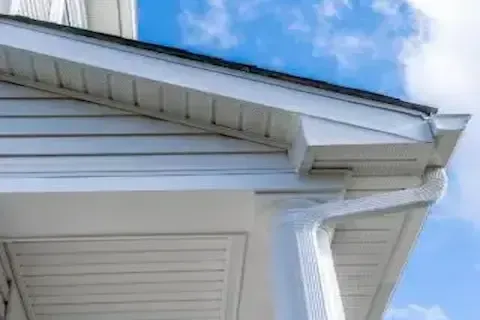
Your home's soffit and fascia system forms a critical protective barrier along the roofline, working together to shield your property from moisture infiltration, pest intrusion, and structural damage. The fascia board runs horizontally along the roof edge, providing mounting support for gutters and creating a finished appearance where the roof meets the exterior wall. Meanwhile, the soffit spans the underside of the roof overhang, allowing necessary ventilation while preventing unwanted access to your attic space.
In Blaine, Minnesota's challenging climate, these components face constant exposure to temperature fluctuations, heavy snow loads, ice formation, and seasonal moisture cycles that can compromise their integrity over time. When soffit and fascia elements begin to deteriorate, the consequences extend far beyond cosmetic concerns, potentially affecting your home's energy efficiency, structural stability, and protection against the elements.
Professional Soffit & Fascia Repair services address these vulnerabilities before they escalate into costly structural problems. Understanding the warning signs and maintenance requirements helps you protect your investment and maintain your home's defensive systems against Minnesota's demanding weather patterns.
Common Soffit and Fascia Problems in Minnesota Homes
Minnesota's freeze-thaw cycles create unique challenges for soffit and fascia systems, with ice dam formation being one of the most destructive forces affecting these components. When gutters become clogged or inadequately pitched, ice dams form along the roof edge, causing water to back up behind the fascia board and infiltrate the soffit cavity. This trapped moisture leads to rot, mold growth, and structural deterioration that spreads throughout the roof system.
Wood fascia boards are particularly vulnerable to moisture damage in Blaine's climate, where repeated freezing and thawing causes expansion and contraction that opens joints and creates entry points for water infiltration. Once moisture penetrates the wood, decay begins rapidly, compromising the fascia's ability to support gutter systems and creating sagging or pulling away from the roofline.
Soffit panels frequently suffer damage from inadequate ventilation design, pest intrusion, or impact from falling ice and debris. Aluminum soffit can develop corrosion or denting, while vinyl soffit may crack or warp under extreme temperature variations. When soffit panels become damaged or displaced, they lose their ability to regulate attic airflow, leading to moisture buildup and potential ice dam formation.
Poor installation practices compound these natural deterioration processes, with inadequate fastening, improper joint sealing, or insufficient flashing creating premature failure points. Many homes in the Blaine area feature soffit and fascia systems installed during periods when building codes were less stringent, making them more susceptible to weather-related damage.
Signs Your Soffit and Fascia Need Professional Attention
Visual inspection from ground level reveals many soffit and fascia problems before they require emergency intervention. Look for discoloration, staining, or water marks on soffit panels, which indicate moisture infiltration from above or inadequate drainage from the gutter system. Peeling paint, rust stains, or visible rot on fascia boards signals advanced deterioration that requires immediate professional assessment.
Sagging or pulling away from the roofline indicates structural compromise, often caused by gutter system failure or ice dam damage. When fascia boards lose their secure attachment to roof framing, they cannot properly support gutters or maintain the protective barrier along the roof edge. This condition creates cascading problems throughout the entire roof drainage system.
Pest activity around soffit areas suggests compromised barriers that allow entry to attic spaces. Birds, squirrels, bats, and insects exploit damaged or poorly fitted soffit panels to access nesting areas, creating additional damage and potential health hazards. Evidence of pest intrusion includes droppings, nesting materials, scratching sounds, or visible entry holes.
Interior signs of soffit and fascia problems include attic moisture, ice formation on interior surfaces, higher energy bills from compromised insulation, or water stains on exterior walls near the roofline. These symptoms indicate that the protective barrier has been compromised and moisture or conditioned air is escaping through damaged components.
Material Options for Soffit and Fascia Replacement
Modern soffit and fascia materials offer improved durability and performance compared to traditional wood systems, with each option providing specific advantages for Minnesota's climate challenges. Aluminum fascia and soffit provide excellent corrosion resistance and thermal expansion characteristics that handle temperature fluctuations without cracking or warping. Pre-finished aluminum systems eliminate ongoing maintenance requirements while offering consistent appearance over decades of service.
Vinyl soffit and fascia systems provide cost-effective solutions with good weather resistance and easy installation characteristics. Quality vinyl materials resist impact damage, won't rot or corrode, and maintain their appearance without painting or staining. However, extreme temperature variations can cause expansion and contraction that requires careful installation techniques to prevent buckling or gap formation.
Composite and engineered wood products combine natural wood appearance with enhanced moisture resistance and dimensional stability. These materials typically feature protective coatings or treatments that resist rot, insect damage, and weathering while providing the aesthetic appeal many homeowners prefer. Composite options often include warranties that exceed traditional wood performance guarantees.
Steel fascia systems offer maximum durability and structural strength for homes with heavy gutter loads or exposure to severe weather conditions. Galvanized or coated steel resists corrosion while providing superior support for large gutter systems. However, steel requires careful installation to prevent thermal bridging and may require additional insulation considerations.
Professional Installation and Repair Techniques
Proper soffit and fascia repair begins with comprehensive assessment of the existing roof structure, gutter system, and ventilation requirements. Professional contractors evaluate the condition of underlying roof framing, identify moisture damage, and determine whether repairs can address current problems or if complete replacement provides better long-term value. This assessment includes examination of attic ventilation patterns and identification of ice dam risk factors.
Installation techniques focus on creating continuous protective barriers that resist moisture infiltration while maintaining proper ventilation airflow. Fascia installation requires secure attachment to roof framing with appropriate fasteners and spacing to support gutter loads without sagging or pulling away. Proper flashing installation behind fascia boards prevents water infiltration while allowing drainage of any moisture that does penetrate the system.
Soffit installation emphasizes ventilation balance and continuous airflow paths that prevent moisture accumulation in attic spaces. Perforated soffit panels must align with ridge or roof ventilation systems to create effective air circulation. Installation includes careful attention to joint sealing and panel overlap to prevent pest intrusion while maintaining ventilation function.
Quality installation incorporates ice dam prevention measures, including proper insulation practices, vapor barrier installation, and ventilation design that minimizes temperature differentials along the roof edge. Professional contractors understand the relationship between soffit and fascia performance and overall roof system function, ensuring repairs address underlying causes rather than just visible symptoms.
Common Installation Mistakes to Avoid
Inadequate ventilation planning represents one of the most frequent soffit installation errors, with contractors failing to calculate proper ventilation requirements or creating blocked airflow paths. Insufficient soffit ventilation leads to moisture accumulation, ice dam formation, and premature deterioration of roofing materials. Proper ventilation design requires coordination between soffit intake and ridge or roof ventilation exhaust systems.
Improper fastening techniques compromise long-term performance and create failure points during severe weather events. Over-driving fasteners, using incorrect fastener types, or inadequate fastener spacing allows movement that breaks seals and creates entry points for moisture and pests. Professional installation follows manufacturer specifications and local building codes for fastener selection and placement.
Failure to address underlying moisture problems before installing new soffit and fascia materials perpetuates deterioration cycles and wastes repair investments. Contractors must identify and correct drainage issues, repair roof leaks, and ensure proper attic ventilation before installing new exterior components. Installing new materials over existing moisture damage creates ongoing problems that compromise the entire repair.
Incorrect material selection for local climate conditions leads to premature failure and recurring maintenance requirements. Materials must withstand Minnesota's temperature extremes, moisture cycles, and ice dam conditions while providing adequate structural support for gutter systems. Professional contractors understand material performance characteristics and recommend appropriate options for specific applications and exposure conditions.
Seasonal Maintenance and Inspection Guidelines
Spring inspections following Minnesota's harsh winter conditions allow early identification of ice dam damage, loose fasteners, or displaced panels that require attention before they worsen. Check for signs of moisture infiltration, pest activity, or structural movement that indicates winter damage. Early spring repairs prevent small problems from becoming major structural issues during the following winter season.
Summer maintenance focuses on cleaning, minor repairs, and preparation for the upcoming winter season. Remove debris from soffit ventilation openings, inspect and clean gutters to ensure proper drainage, and address any loose or damaged components. Summer weather provides ideal conditions for exterior work and allows proper curing of sealants and finishes before cold weather returns.
Fall preparation includes comprehensive inspection and maintenance of the entire roof edge system, with particular attention to gutter function and drainage patterns. Ensure downspouts direct water away from the foundation, clean all ventilation openings, and verify that soffit and fascia components remain securely attached. Fall maintenance helps prevent ice dam formation during the upcoming winter season.
Winter monitoring involves observing ice formation patterns, checking for signs of ice dam development, and addressing any immediate problems that threaten structural integrity. While major repairs typically wait for better weather conditions, emergency interventions may be necessary to prevent catastrophic damage during severe weather events.
Working with Professional Contractors in Blaine
Selecting qualified contractors for soffit and fascia work requires verification of proper licensing, insurance coverage, and experience with Minnesota climate challenges. Professional contractors understand local building codes, permit requirements, and installation techniques that address ice dam prevention and moisture management. Request references from recent projects in the Blaine area and verify contractor credentials through appropriate licensing authorities.
Quality contractors provide comprehensive estimates that address underlying problems rather than just visible symptoms, including assessment of ventilation adequacy, structural support, and integration with existing roofing and gutter systems. Detailed proposals specify materials, installation techniques, warranty coverage, and timeline for completion. Professional contractors explain the relationship between soffit and fascia performance and overall home protection systems.
Professional roofing services in the Blaine area understand the unique challenges of Minnesota's climate and provide solutions designed for long-term performance. Experienced contractors coordinate soffit and fascia repairs with other roof system maintenance to ensure comprehensive protection and optimal performance. They also provide guidance on preventive maintenance practices that extend system life and reduce long-term costs.
Professional installation includes cleanup, disposal of old materials, and final inspection to ensure proper function and appearance. Quality contractors stand behind their work with comprehensive warranties and provide maintenance recommendations that help homeowners protect their investment. They also coordinate with insurance companies when repairs result from covered damage events.
Cost Considerations and Value Protection
Soffit and fascia repair costs vary significantly based on the extent of damage, material selection, and accessibility of the work area. Minor repairs involving panel replacement or fastener adjustment typically cost less than comprehensive system replacement that includes underlying structural repairs. However, addressing problems early often provides better long-term value than waiting for extensive damage to occur.
Material costs represent a significant portion of total project expense, with premium materials offering better durability and longer warranty coverage. While aluminum and composite materials cost more initially than vinyl options, their superior weather resistance and longevity often provide better value over the system's lifespan. Professional contractors help homeowners evaluate material options based on budget constraints and performance requirements.
Energy efficiency improvements from properly functioning soffit and fascia systems help offset repair costs through reduced heating and cooling expenses. Adequate ventilation prevents ice dam formation, reduces moisture-related problems, and maintains insulation effectiveness. These performance benefits contribute to overall home value and comfort while reducing long-term maintenance requirements.
Insurance coverage may apply to soffit and fascia damage caused by covered perils such as storms, ice dams, or other weather events. Professional contractors assist with insurance claim documentation and work with adjusters to ensure adequate coverage for proper repairs. Understanding insurance coverage helps homeowners make informed decisions about repair timing and material selection.
