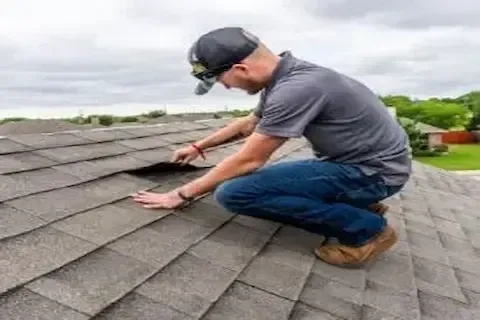
Residential Roof Inspection Checklist for Blaine MN
Essential Components of a Residential Roof Inspection
A comprehensive residential roof inspection involves examining multiple interconnected systems that protect your Blaine home from Minnesota's harsh weather conditions. Understanding what inspectors evaluate helps you maintain your roof's integrity and catch problems before they escalate into costly repairs.
Professional roof inspections begin with exterior assessments, examining shingles, flashing, gutters, and structural elements. Inspectors then move to interior evaluations, checking attic spaces, ventilation systems, and signs of water intrusion. This systematic approach ensures no critical area gets overlooked during the inspection process.
The inspection process typically takes two to four hours, depending on your roof's size, complexity, and accessibility. Inspectors document findings with photographs and detailed notes, providing you with a comprehensive report outlining current conditions and recommended maintenance or repairs.
Exterior Shingle and Surface Examination
Shingle inspection forms the foundation of any residential roof evaluation. Inspectors examine each shingle type differently, whether you have asphalt composition, wood shake, metal, or tile roofing. They look for missing, cracked, curling, or granule-loss issues that compromise your roof's weather resistance.
Asphalt shingles show wear through granule displacement, exposing the underlying mat to ultraviolet damage. Inspectors check for uniform granule distribution and identify areas where weather has worn away protective layers. They also examine shingle edges for proper alignment and secure attachment to underlying decking.
Wind damage assessment focuses on lifted, torn, or completely missing shingles. Minnesota's severe weather patterns, including Blaine's exposure to prairie winds, create specific vulnerability patterns that experienced inspectors recognize. They document wind-related damage that may qualify for insurance claims or require immediate attention.
Surface debris evaluation includes checking for accumulated leaves, branches, or other materials that retain moisture and accelerate deterioration. Inspectors remove accessible debris during examination to better assess underlying shingle conditions and identify areas requiring regular maintenance.
Flashing and Penetration Assessment
Flashing systems redirect water away from vulnerable roof areas where different materials meet or where penetrations occur. Inspectors examine flashing around chimneys, vent pipes, skylights, and roof valleys for proper installation, secure attachment, and weather-tight sealing.
Chimney flashing receives particular attention because it involves multiple components working together. Step flashing along chimney sides, counter flashing embedded in mortar joints, and cricket installations behind large chimneys all require careful examination for gaps, separation, or deterioration that allows water infiltration.
Vent penetrations for plumbing stacks, exhaust fans, and HVAC systems create potential leak points that inspectors evaluate thoroughly. They check rubber boots, metal collars, and sealant applications around each penetration, looking for cracking, separation, or improper installation that compromises water resistance.
Valley flashing inspection involves examining both open and closed valley systems for proper water flow, secure attachment, and debris accumulation. Roof Inspection & Assessment professionals understand how Blaine's climate affects different valley configurations and identify potential problem areas before leaks develop.
Gutter and Drainage System Evaluation
Proper drainage protects your roof, siding, and foundation from water damage. Inspectors examine gutters for secure attachment, proper slope, and adequate capacity to handle Blaine's seasonal precipitation patterns, including heavy spring rains and rapid snowmelt conditions.
Gutter condition assessment includes checking for rust, corrosion, separation at joints, and damage from ice dams or falling debris. Inspectors look for proper gutter alignment that directs water toward downspouts without creating standing water areas that freeze and cause expansion damage.
Downspout examination focuses on secure attachment, proper sizing for gutter capacity, and effective water direction away from your home's foundation. Inspectors check extension systems and splash blocks that prevent water accumulation near basement walls or crawl spaces.
Ice dam prevention features receive special attention in Minnesota inspections. Inspectors evaluate heat cable installations, gutter guards, and roof edge ventilation systems designed to prevent ice accumulation that damages gutters and creates water backup under shingles.
Ventilation System Analysis
Balanced roof ventilation prevents moisture buildup, ice dam formation, and premature material deterioration. Inspectors calculate ventilation requirements based on your attic square footage and examine both intake and exhaust ventilation components for proper function and adequate capacity.
Soffit ventilation inspection involves checking for unobstructed airflow paths from eave areas into attic spaces. Inspectors look for blocked vents due to insulation, debris, or painting that reduces intake capacity and disrupts proper air circulation patterns.
Ridge and exhaust ventilation assessment includes examining ridge vents, turbine vents, and power ventilation systems for proper installation and function. Inspectors verify that exhaust capacity balances intake ventilation to create effective air movement throughout attic spaces.
Attic ventilation evaluation extends beyond hardware to include checking for proper insulation installation that doesn't block ventilation paths. Inspectors identify areas where insulation interferes with airflow or where additional ventilation might prevent common Minnesota roofing problems like ice dams and condensation issues.
Structural and Decking Examination
Roof decking provides the foundation for all roofing materials and must maintain structural integrity to support weather loads and prevent material failure. Inspectors examine decking from both exterior and attic perspectives to identify sagging, damage, or deterioration that requires attention.
Rafter and truss inspection involves checking for proper spacing, secure connections, and signs of stress or damage. Inspectors look for cracked members, inadequate fastening, or modifications that compromise structural capacity, particularly important in areas like Blaine where snow loads create significant structural demands.
Decking material assessment varies depending on whether your home has plywood, OSB, or plank decking systems. Inspectors check for delamination, water damage, nail pop-through, and proper thickness for your specific roofing material requirements.
Structural movement evaluation includes checking for signs that your home's foundation or framing has shifted, creating stress points that affect roof performance. Inspectors identify areas where structural settlement has created gaps, separations, or misalignments that require professional attention.
Interior and Attic Space Assessment
Interior inspection reveals problems that aren't visible from exterior examination. Inspectors examine attic spaces, upper-level ceilings, and wall areas for signs of water intrusion, ventilation problems, or structural issues that affect roof performance and home comfort.
Water damage identification includes looking for stains, discoloration, mold growth, or active leaks that indicate roofing system failures. Inspectors trace water intrusion patterns to identify source locations and assess the extent of damage requiring repair or material replacement.
Insulation evaluation focuses on proper installation, adequate R-values for Minnesota climate conditions, and moisture problems that reduce insulation effectiveness. Inspectors check for compressed, wet, or missing insulation that creates energy efficiency problems and potential ice dam conditions.
Electrical and HVAC system interaction assessment involves examining how roof penetrations, ventilation systems, and structural modifications affect or are affected by roofing conditions. Inspectors identify potential safety hazards or system conflicts that require coordination between different trades.
Common Problem Areas in Blaine Climate Conditions
Minnesota's climate creates specific roofing challenges that inspectors address during residential evaluations. Freeze-thaw cycles, heavy snow loads, and severe weather events contribute to accelerated wear patterns that require specialized attention and preventive maintenance strategies.
Ice dam susceptibility receives particular focus during Blaine roof inspections. Inspectors evaluate insulation levels, air sealing, ventilation balance, and roof edge conditions that contribute to ice dam formation. They identify areas where heat loss creates uneven snow melting patterns that lead to ice accumulation and water backup.
Wind damage assessment considers Blaine's exposure to prairie wind patterns and severe weather systems. Inspectors look for loose or missing shingles, damaged flashing, and structural stress points that indicate wind-related problems requiring immediate attention or preventive reinforcement.
Hail damage evaluation involves examining granule loss patterns, exposed mat areas, and impact damage that compromises shingle integrity. Minnesota's frequent severe thunderstorms create hail damage that may not be immediately apparent but affects long-term roof performance and warranty coverage.
Professional Inspection Benefits and Timing
Professional roof inspections provide objective assessments that help you make informed maintenance and repair decisions. Qualified inspectors bring specialized knowledge, proper equipment, and insurance coverage that protects you during the evaluation process while ensuring comprehensive problem identification.
Seasonal timing considerations affect inspection effectiveness and problem identification. Spring inspections reveal winter damage and prepare your roof for summer weather, while fall evaluations identify issues that need attention before Minnesota's harsh winter conditions arrive.
Insurance and warranty compliance often requires professional inspection documentation. Inspectors provide detailed reports with photographs and recommendations that support insurance claims, warranty work, or real estate transactions requiring roof condition verification.
Regular inspection scheduling, typically every two to three years or after severe weather events, helps maintain your roof's condition and prevents minor problems from developing into major repairs. Professional inspectors establish baseline conditions and track changes over time, providing valuable maintenance planning information for your Blaine home's long-term protection.
