Ridge Vent Installation for Blaine MN Asphalt Roofs
Proper attic ventilation is one of the most overlooked factors in long-term roof performance, yet it directly affects shingle lifespan, energy costs, and moisture control in your home. For homeowners in Blaine, MN, where summers push attic temperatures well above 130°F and winters bring heavy snow loads and freeze-thaw cycles, ridge vent installation is one of the most effective upgrades you can make to an asphalt shingle roof. When installed correctly, a continuous ridge vent works with your soffit intake vents to create a balanced airflow system that keeps your attic cooler in summer, drier in winter, and structurally sound year-round.
What a Ridge Vent Actually Does
A ridge vent runs along the peak of your roof and serves as the exhaust point in a passive ventilation system. As hot air naturally rises inside your attic, the ridge vent allows that air to escape continuously without the need for powered fans or complex mechanical systems. This only works correctly when soffit vents at the eaves provide a steady intake of cooler outside air. The result is a continuous loop — cool air enters at the bottom, hot or moisture-laden air exits at the top.
On asphalt shingle roofs specifically, this matters because heat buildup accelerates shingle granule loss and causes the underlayment to degrade prematurely. In Blaine's climate, inadequate ventilation also contributes to ice dam formation in winter when warm attic air melts snow on the roof surface and refreezes at the cold eaves. A properly installed ridge vent helps maintain a more consistent roof deck temperature, reducing the conditions that cause ice dams to form.
Types of Ridge Vents Used on Asphalt Roofs
Not all ridge vents are the same, and the right choice depends on your roof's profile, the existing ventilation setup, and local code requirements in Blaine and Anoka County.
- Shingle-over ridge vents: These low-profile vents sit directly on the ridge and are covered with matching cap shingles, making them nearly invisible from the street. They are the most common choice for asphalt roofs and offer good weather resistance with minimal aesthetic impact.
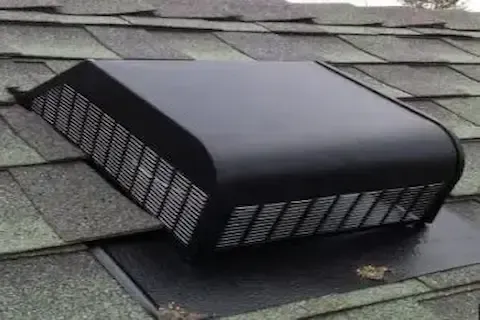
- Aluminum or hard-shell ridge vents: These offer greater structural durability and are sometimes used on roofs with steep pitches or in areas exposed to high winds. They are visible but functional and can be painted to match the roof.
- High-flow baffled vents: Designed with internal baffles that prevent wind-driven rain and snow from entering while maximizing airflow, these are worth considering given Blaine's winter conditions.
The net free area — the actual open space that allows air to pass through — is the most important specification when comparing products. This number should be matched to the square footage of your attic to ensure adequate ventilation per building code standards.
The Installation Process Step by Step
Ridge vent installation on an asphalt roof follows a specific sequence that should not be rushed or skipped. Done correctly, it integrates seamlessly with your existing shingles and flashing.
First, the existing ridge cap shingles are carefully removed without damaging the field shingles below. A chalk line is snapped along both sides of the ridge to mark a uniform cut. A circular saw with a carbide blade is then used to cut a continuous slot through the roof decking along the length of the ridge, stopping short of the gable ends to prevent weather infiltration. The width of the cut depends on the specific vent product being installed — typically between one and one and a half inches per side.
The ridge vent is then laid over the slot and fastened through the roof decking into the structural ridge board below. Proper fastening is critical in the Blaine area, where wind events can exceed 50 mph during spring and fall storms. Manufacturers specify nail placement and spacing to prevent uplift. Finally, new cap shingles are installed over shingle-over style vents, nailed through both the vent and into the decking for a secure seal.
If you are considering this work alongside other roofing improvements, speaking with a qualified contractor about Roof Ventilation & Attic Services can help you evaluate whether your current intake ventilation is balanced to support the new exhaust capacity a ridge vent adds.
Common Mistakes That Reduce Ridge Vent Performance
Even a correctly installed ridge vent will underperform if the surrounding system is not set up properly. These are the most frequent issues contractors find on Blaine homes:
- Blocked soffit vents: Insulation blown too close to the eaves blocks intake airflow entirely, making the ridge vent nearly ineffective. Baffles should be installed to maintain a clear channel from the soffit to the attic space.
- Mixing exhaust vent types: Combining ridge vents with gable vents or power attic fans creates competing airflow patterns that short-circuit the ventilation system. In most cases, other exhaust vents should be decommissioned when a continuous ridge vent is installed.
- Insufficient slot width: Cutting the slot too narrow reduces airflow below the rated capacity of the vent. Some contractors doing quick repairs cut corners here.
- Stopping the vent too short: Leaving large gaps at the gable ends or using short sections of vent in multiple spots rather than a continuous run reduces both airflow and weather resistance.
Blaine MN Climate Considerations
Blaine sits in a climate zone that demands roofing systems handle significant thermal stress in both directions. Attic temperatures in July and August can exceed 140°F in unventilated spaces, which softens asphalt shingles and causes premature cracking. The same attic in February may hold moisture from condensation if warm interior air migrates upward and meets cold roof decking — a condition that leads to mold, rot, and structural damage over time.
Ridge vent systems designed for colder climates include features like deeper baffling to prevent snow infiltration during blizzard conditions. When selecting a product for a Blaine home, confirm that the manufacturer's specs include cold climate ratings and that installation follows Minnesota building code requirements for ventilation ratios, typically 1 square foot of net free area per 150 square feet of attic floor space without a vapor barrier, or 1 per 300 with one.
Homes in established Blaine neighborhoods near Town Square Park or in newer subdivisions along Highway 65 often have different attic configurations depending on build year and whether additions have been made. An inspection before installation helps identify whether the existing soffit ventilation is adequate or needs to be supplemented before the ridge vent delivers its full benefit.
What to Expect After Installation
Most homeowners notice a difference in attic temperature within the first summer after a properly balanced ridge vent system is installed. Attic air temperatures typically drop 20 to 30 degrees compared to an unventilated or poorly ventilated attic. This translates to reduced strain on air conditioning systems and a more consistent temperature in upper-floor living spaces.
Over the longer term, shingles on well-ventilated roofs show measurably slower granule loss and maintain flexibility longer, reducing the likelihood of cracking and early replacement. Ice dam issues along eaves typically decrease as the roof deck stays closer to ambient outdoor temperature during freeze-thaw events common in Blaine winters. For more detail on how ventilation connects to overall roofing system health, the site includes additional resources on roofing topics relevant to Minnesota homeowners.
Ridge vent installation is a relatively straightforward upgrade with measurable benefits that compound over the life of the roof. When combined with adequate soffit intake and proper attic insulation management, it forms the foundation of a roof system designed to handle what Blaine's climate delivers in every season.
