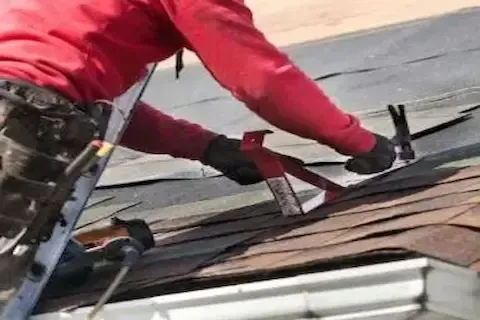
When to Repair or Replace Your Roof in Blaine Minnesota
Your roof protects everything you value most, but determining whether to repair or replace it can feel overwhelming. In Blaine, Minnesota, where harsh winters and severe weather patterns take their toll on roofing systems, making the right choice between repair and replacement requires careful evaluation of multiple factors including age, extent of damage, and long-term costs.
Understanding Roof Age and Material Lifecycles
The age of your roof serves as the primary indicator for replacement versus repair decisions. Asphalt shingles, the most common roofing material in Blaine neighborhoods, typically last 20-25 years under normal conditions. However, Minnesota's extreme temperature fluctuations, heavy snow loads, and occasional severe storms can reduce this lifespan significantly.
If your roof is approaching or has exceeded 20 years, replacement often makes more financial sense than continued repairs. Older roofing systems develop multiple weak points simultaneously, meaning you'll likely face recurring repair costs that quickly exceed replacement expenses. Additionally, newer roofing materials offer improved energy efficiency and storm resistance that can reduce your heating costs during Blaine's long winters.
Clay and slate roofs last considerably longer, often 50-100 years, making repairs more viable even on older installations. Metal roofing systems typically provide 40-70 years of service life, positioning them in the middle ground where repair versus replacement decisions depend more heavily on damage patterns than age alone.
Evaluating Damage Patterns and Scope
The extent and pattern of roof damage determines whether repairs can effectively address your roofing problems. Isolated damage from a fallen tree branch or localized storm impact often responds well to targeted repairs, especially if the surrounding roofing material remains in good condition.
Widespread damage patterns signal underlying system failure that repairs cannot adequately address. Multiple missing or damaged shingles across different roof sections, extensive granule loss throughout the surface, or recurring leaks in various locations indicate comprehensive deterioration requiring full replacement.
Structural damage to roof decking, rafters, or support systems always necessitates major repairs that may approach replacement costs. When Roof Repair estimates exceed 50% of replacement costs, replacement typically provides better long-term value.
Hail damage presents unique challenges in Blaine's climate zone. While surface granule loss from hail might appear manageable, it compromises shingle integrity and accelerates deterioration. Insurance adjusters often recommend replacement over repair for significant hail damage because repairs fail to address the underlying material compromise.
Financial Considerations and Long-Term Value
Repair costs versus replacement expenses require analysis beyond immediate expenditure. Emergency repairs during Minnesota winters cost significantly more than planned maintenance during favorable weather conditions. Multiple repair episodes within a short timeframe often exceed single replacement costs while providing inferior protection.
Energy efficiency improvements from new roofing systems reduce heating costs substantially in Blaine's climate. Modern shingles with improved insulation properties and proper ventilation systems can decrease winter heating bills by 15-25%. These savings accumulate over the roof's lifespan, offsetting higher initial replacement costs.
Property value impacts also favor replacement in many situations. New roofing systems provide immediate curb appeal improvements and eliminate concerns for potential buyers about pending roofing expenses. Real estate professionals in the Blaine area consistently report that homes with recently replaced roofs sell faster and command higher prices than comparable properties with older roofing systems requiring attention.
Insurance considerations affect financial calculations significantly. Many insurance policies reduce coverage for roofing systems over 20 years old, limiting claim payouts for storm damage. Replacement with current building code-compliant materials often qualifies for insurance discounts that reduce long-term costs.
Weather Impact and Seasonal Timing
Minnesota's harsh weather patterns accelerate roofing deterioration and influence repair versus replacement decisions. Ice dam formation during winter months causes water backup that damages shingles, underlayment, and roof decking. Repeated ice dam problems indicate inadequate insulation or ventilation that repairs alone cannot resolve.
Thermal cycling from extreme temperature variations causes expansion and contraction that loosens fasteners and creates gaps in roofing materials. This natural aging process affects entire roofing systems uniformly, making comprehensive replacement more effective than piecemeal repairs.
Seasonal timing affects both repair and replacement feasibility. Spring and fall provide optimal conditions for roofing work in Blaine, while winter repairs face weather delays and increased costs. Planning replacement during favorable seasons allows proper material acclimation and installation procedures that emergency repairs cannot accommodate.
Common Decision-Making Mistakes
Property owners frequently underestimate the cumulative cost of repeated repairs on aging roofing systems. While individual repair costs seem manageable, multiple repair episodes within five years often exceed replacement costs while providing inferior protection and energy efficiency.
Delaying replacement decisions until emergency situations arise typically increases costs significantly. Emergency replacement during severe weather periods or winter months can cost 25-40% more than planned replacement during optimal conditions. Additionally, emergency situations limit material choices and contractor availability.
Focusing solely on initial costs without considering long-term expenses leads to poor decisions. Cheap repair materials or inexperienced contractors often create recurring problems that require additional repairs within short timeframes. Quality replacement with reputable contractors provides better value despite higher upfront costs.
Ignoring building code updates represents another common oversight. Older roofing systems may not meet current building codes for wind resistance, fire rating, or structural requirements. Repairs must bring affected areas up to current codes, potentially making replacement more cost-effective.
Local Building Codes and Permit Requirements
Blaine's building codes specify requirements for roofing materials, installation methods, and permit procedures that affect repair versus replacement decisions. Major repairs exceeding 25% of roof area typically require permits and must comply with current building codes, not the codes in effect when the original roof was installed.
Wind resistance requirements in Minnesota mandate specific fastening patterns and materials for replacement roofing systems. These requirements often exceed what repairs can achieve on older installations, favoring replacement for comprehensive storm protection.
Ventilation requirements have evolved significantly over recent decades. Adequate ventilation prevents ice dam formation and extends roofing material life, but retrofitting proper ventilation during repair work can approach replacement costs while providing inferior results compared to comprehensive replacement with integrated ventilation systems.
Professional Assessment and Contractor Selection
Professional roofing assessments provide objective evaluation of repair versus replacement options. Experienced contractors evaluate material condition, structural integrity, and long-term performance prospects to recommend the most cost-effective approach.
Multiple contractor opinions help validate assessment accuracy and provide competitive pricing information. However, be cautious of contractors who consistently recommend only repairs or only replacement regardless of roof conditions, as this may indicate limited capabilities or questionable business practices.
Contractor licensing and insurance verification protects you regardless of whether you choose repair or replacement. Minnesota requires roofing contractor licensing, and reputable contractors carry comprehensive liability and worker's compensation insurance.
Warranty considerations differ significantly between repair and replacement work. New roofing systems typically include comprehensive material and labor warranties lasting 10-25 years, while repair warranties usually cover only the specific work performed for shorter periods.
Making the right choice between roof repair and replacement in Blaine, Minnesota requires careful evaluation of age, damage extent, financial considerations, and long-term goals. When properly assessed, this decision protects your investment while ensuring reliable protection against Minnesota's challenging weather conditions. Take time to gather professional assessments, understand your options fully, and choose the approach that provides the best combination of immediate protection and long-term value for your specific situation.
