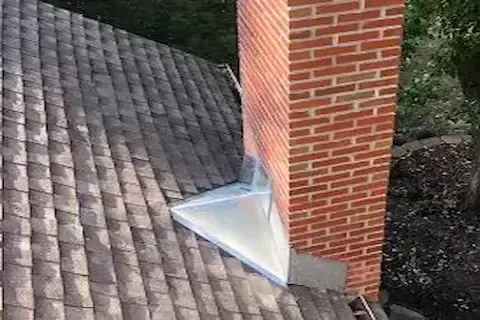
Roof Flashing Repair and Replacement in Anoka County
Roof flashing serves as your home's first line of defense against water infiltration at the most vulnerable junction points where your roof meets walls, chimneys, skylights, and plumbing penetrations. In Anoka County's climate of heavy snow loads, ice dams, and temperature fluctuations, flashing failures often occur years before shingle problems become apparent, making early detection and proper repair critical for protecting your home's structural integrity.
Understanding Roof Flashing Systems
Flashing consists of thin metal strips, typically made from aluminum, galvanized steel, or copper, strategically installed to redirect water away from roof penetrations and transitions. The system works by creating a continuous barrier that channels water down and away from vulnerable areas where different materials meet.
Step flashing protects the intersection between your roof and vertical walls, with individual pieces installed beneath each shingle course. Valley flashing lines the internal angles where two roof planes meet, handling concentrated water flow during storms. Chimney flashing combines base flashing around the chimney's perimeter with counter flashing embedded into mortar joints.
Vent boot flashing seals around plumbing stacks and other roof penetrations using rubber or neoprene collars that accommodate pipe movement. Drip edge flashing protects roof edges and fascia boards from water damage while directing runoff into gutters. Each component must work seamlessly with adjacent elements to maintain weatherproof integrity.
Common Flashing Failure Points
Anoka County's harsh winters create specific challenges for roof flashing systems. Ice dam formation along roof edges can force water under step flashing and into wall cavities. Freeze-thaw cycles cause metal expansion and contraction that loosens fasteners and opens seams over time.
Chimney flashing failures frequently occur when counter flashing pulls away from mortar joints that have deteriorated due to winter weather exposure. The constant temperature differential between heated interior spaces and cold exterior conditions accelerates joint failure around these penetrations.
Valley flashing problems often stem from ice accumulation that creates standing water conditions not anticipated in the original installation. When valleys become ice-clogged, water backs up under shingles and finds entry points through compromised flashing seams.
Vent boot deterioration happens when rubber collars become brittle from UV exposure and temperature extremes. The material cracks allow water penetration that can go unnoticed until ceiling stains or structural damage becomes apparent. Roof Flashing Repair & Replacement services address these vulnerabilities before they compromise your home's interior.
Professional Repair Techniques
Proper flashing repair requires understanding both the immediate problem and underlying causes that led to failure. Professional assessment begins with identifying water entry points and tracing moisture paths to determine the full extent of damage requiring attention.
Step flashing repair involves carefully removing damaged sections without disturbing adjacent shingles unnecessarily. New pieces must overlap properly with existing flashing while maintaining the shingled installation sequence that ensures water cannot travel upward against the intended flow direction.
Valley flashing replacement typically requires removing shingles from both roof planes to access the entire valley length. Ice and water shield membrane installation beneath new metal flashing provides additional protection against ice dam backup conditions common in Minnesota winters.
Chimney flashing repair addresses both base and counter flashing components. Counter flashing removal and reinstallation requires careful mortar joint preparation and proper embedment techniques to prevent future separation. Base flashing must integrate seamlessly with surrounding shingle courses.
Material Selection Considerations
Aluminum flashing offers excellent corrosion resistance and workability for most applications, though it requires careful handling to prevent damage during installation. Galvanized steel provides superior strength for high-stress areas but needs proper coating maintenance to prevent rust formation.
Copper flashing delivers maximum longevity and develops a protective patina over time, making it ideal for premium installations and historic property restoration. However, copper requires compatible fasteners and soldering techniques to prevent galvanic corrosion issues.
Synthetic rubber boot replacements outperform traditional neoprene in extreme temperature conditions while providing better UV resistance. These materials maintain flexibility longer and accommodate building movement without cracking.
Replacement Versus Repair Decisions
Age and condition assessment determines whether repair or complete replacement provides the most cost-effective solution. Flashing systems approaching fifteen to twenty years of age often benefit from complete replacement to avoid ongoing maintenance issues.
Multiple failure points within a single flashing system typically indicate systemic problems requiring comprehensive replacement. Attempting repairs on severely deteriorated systems often results in continued leaks and higher long-term costs.
Insurance considerations may favor complete replacement over partial repairs when storm damage affects multiple system components. Documentation of related damage helps support comprehensive repair claims that address underlying vulnerabilities.
Integration with planned roofing projects makes replacement timing critical. Coordinating flashing work with shingle replacement ensures proper installation sequences and eliminates duplicate labor costs.
Installation Quality Standards
Proper overlap requirements ensure water cannot penetrate flashing joints regardless of wind-driven rain conditions. Each piece must extend sufficiently under adjacent materials while maintaining clear drainage paths to roof edges.
Fastener selection and placement directly affects long-term performance. Stainless steel or coated fasteners prevent corrosion that could compromise attachment integrity. Fastener locations must avoid creating new penetration points while securing flashing against wind uplift.
Sealant application provides secondary protection at critical joints but cannot substitute for proper mechanical installation. Quality sealants maintain flexibility throughout temperature extremes while adhering to dissimilar materials.
Preventive Maintenance Strategies
Regular inspection schedules help identify developing problems before they cause interior damage. Spring inspections after ice dam season and fall preparations before winter weather provide optimal timing for maintenance activities.
Gutter cleaning and maintenance directly impacts flashing performance by ensuring proper water drainage from roof areas. Clogged gutters cause water backup that can overwhelm flashing systems and create entry points.
Tree trimming reduces debris accumulation in valleys and around penetrations while preventing mechanical damage from branch contact during storms. Proper clearances also improve drying conditions that extend flashing life.
Attic ventilation improvements reduce ice dam formation that stresses flashing systems beyond their design limits. Balanced ventilation systems minimize temperature differentials that cause problematic ice accumulation.
Local Climate Considerations
Anoka County's continental climate presents unique challenges for roof flashing systems. Winter temperatures well below freezing combined with significant snow loads create conditions that test flashing durability and installation quality.
Spring snowmelt periods generate maximum water volumes that flashing systems must handle effectively. Rapid temperature changes during these transitions can cause sudden ice dam releases that create water surge conditions.
Summer storm patterns bring intense rainfall and potential hail damage that can compromise flashing integrity. High winds associated with severe weather can lift inadequately secured flashing materials and create new vulnerability points.
Local building practices in the Twin Cities metro area have evolved to address these climate challenges through improved materials and installation techniques. Understanding regional best practices ensures repairs meet long-term performance expectations.
Professional Installation Benefits
Experienced contractors understand the integration requirements between flashing systems and other roofing components. Proper installation sequences ensure each element performs its intended function without creating conflicts with adjacent materials.
Access to commercial-grade materials and specialized tools enables installations that exceed typical residential repair capabilities. Professional-grade sealants, fasteners, and flashing materials offer superior performance and longevity.
Warranty coverage for professional installations provides protection against premature failure and ensures proper remediation if problems develop. Contractor warranties typically cover both materials and workmanship for specified periods.
Code compliance expertise ensures installations meet current building standards and pass inspection requirements. Professional contractors stay current with evolving standards that affect permitting and insurance coverage.
Long-term Performance Expectations
Quality flashing installations should provide twenty to thirty years of reliable performance when properly maintained and protected from physical damage. Material selection and installation quality directly influence service life expectations.
Environmental factors including exposure orientation, roof slope, and local weather patterns affect deterioration rates. South-facing exposures experience more UV damage while north-facing areas may have moisture retention issues.
System integration quality determines whether individual components reach their full service life potential. Poor integration can cause premature failure of otherwise sound materials through water infiltration or mechanical stress.
Regular maintenance programs extend flashing system life by addressing minor issues before they compromise overall performance. Proactive care typically doubles service life compared to neglected installations.
