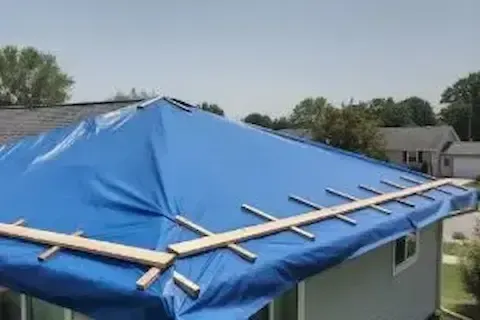
Emergency Roof Tarping for Storm Damage in Blaine MN
When severe weather strikes Blaine, Minnesota, your roof often bears the brunt of the damage. High winds, hail, and heavy precipitation can create openings that expose your home's interior to further water damage, making immediate protection critical. Emergency roof tarping provides a temporary but essential barrier that safeguards your property while you navigate insurance claims and arrange for permanent repairs.
Understanding Emergency Roof Tarping
Emergency roof tarping involves installing heavy-duty waterproof material over damaged sections of your roof to prevent water infiltration. This temporary solution creates an immediate seal against the elements, protecting your home's interior from rain, snow, and debris until professional repairs can be completed.
The process requires specialized materials and proper installation techniques to ensure effectiveness. Professional-grade tarps, typically made from reinforced polyethylene or vinyl, offer superior durability compared to standard hardware store options. These materials can withstand Minnesota's harsh weather conditions and provide reliable protection for weeks or months if necessary.
Proper installation involves more than simply throwing a tarp over the damaged area. The material must be measured, positioned correctly, and secured using appropriate fastening methods that won't cause additional roof damage. Professional installers understand how to work around existing damage while creating a weatherproof seal.
Storm Damage Scenarios Requiring Immediate Tarping
Several types of storm damage in Blaine necessitate emergency tarping services. Wind damage often creates the most urgent situations, as torn or missing shingles expose the underlying roof deck to water penetration. Even small openings can lead to significant interior damage if not addressed quickly.
Hail damage presents another common scenario requiring emergency protection. While hail impacts might not create immediate openings, they can compromise shingle integrity, making your roof vulnerable to future weather events. Tarping provides protection while you assess the full extent of damage and plan repairs.
Tree damage represents one of the most severe situations requiring emergency tarping. When storms bring down tree limbs or entire trees onto your roof, the resulting punctures or structural damage create large openings that demand immediate attention. Emergency Roof Tarping services can quickly secure these areas to prevent catastrophic water damage.
Ice dam situations also benefit from emergency tarping, particularly when ice accumulation has caused shingles to lift or gutters to separate from the roofline. Proper tarping can redirect water flow while permanent solutions are implemented.
Material Selection and Installation Considerations
The effectiveness of emergency roof tarping depends heavily on material quality and installation methodology. Professional-grade tarps come in various weights and compositions, with heavier materials generally providing better durability and weather resistance.
Reinforced polyethylene tarps offer excellent water resistance and tear strength, making them ideal for temporary roof protection. These materials typically feature reinforced edges and grommets that facilitate secure attachment. Vinyl options provide superior longevity but may be unnecessary for short-term applications.
Installation requires careful attention to overlap patterns and securing methods. Tarps must extend well beyond the damaged area to ensure complete coverage, with proper overlap at seams to prevent water infiltration. Fastening systems might include sandbags, lumber strips, or specialized roof anchors, depending on the specific situation and roof type.
Weather conditions during installation significantly impact both safety and effectiveness. High winds, precipitation, or icy conditions can make installation dangerous and less effective. Professional services understand how to work safely in challenging conditions while achieving optimal results.
Common Installation Mistakes to Avoid
Many property owners attempt emergency tarping themselves, often making critical mistakes that reduce effectiveness or cause additional damage. One frequent error involves using inadequate materials that can't withstand local weather conditions or provide sufficient water resistance.
Improper fastening represents another common mistake. Over-tightening can tear the tarp material or damage the roof structure, while insufficient securing allows wind to lift the tarp and potentially cause more damage. Professional installers understand the proper balance needed for effective securing.
Insufficient coverage is a mistake that often leads to continued water damage. Many amateur installations fail to extend the tarp far enough beyond the damaged area, allowing water to infiltrate around the edges. Proper installation requires understanding water flow patterns and ensuring complete protection.
Using inappropriate fastening methods can cause additional roof damage. Nailing directly through healthy shingles or using fasteners that penetrate too deeply can create new leak points. Professional services use techniques that secure the tarp without compromising undamaged roof areas.
Blaine Weather Patterns and Timing Considerations
Blaine's climate presents unique challenges for emergency roof tarping. The area experiences severe thunderstorms during spring and summer months, often accompanied by large hail and damaging winds. These weather patterns can create sudden, widespread roof damage requiring immediate attention.
Winter conditions add complexity to emergency tarping situations. Snow load, ice formation, and sub-zero temperatures affect both installation procedures and material performance. Professional services in Blaine understand how to work effectively in these challenging conditions.
The timing of emergency tarping installation can significantly impact its effectiveness. Ideally, tarps should be installed as soon as safely possible after damage occurs. Delays can allow water infiltration to begin, potentially causing interior damage that could have been prevented.
Seasonal considerations also affect material selection and installation techniques. Summer installations might prioritize UV resistance and heat tolerance, while winter applications focus on cold weather flexibility and ice resistance.
Professional Services vs DIY Approaches
While emergency situations might tempt property owners to attempt tarping themselves, professional services offer significant advantages in terms of safety, effectiveness, and long-term protection. Professional installers have experience working on damaged roofs and understand the safety protocols necessary to prevent injuries.
Professional services also have access to commercial-grade materials and specialized equipment that aren't readily available to consumers. These materials typically offer superior performance and longevity compared to retail options, providing better protection for your property.
Insurance considerations also favor professional installation. Many insurance companies prefer or require professional documentation of emergency protective measures. Professional services can provide detailed reports and photographs that support your claim and demonstrate proactive damage mitigation.
The cost difference between professional and DIY installation often proves minimal when considering the value of materials, tools, and potential liability issues. Professional installation also typically includes some form of warranty or guarantee on the temporary protection.
Insurance and Documentation Requirements
Emergency roof tarping often occurs in conjunction with insurance claims, making proper documentation essential. Most insurance policies cover emergency protective measures when they prevent additional damage to your property, but specific requirements vary between carriers and policies.
Photographic documentation before and after tarp installation helps support your insurance claim. Professional services typically provide comprehensive documentation as part of their service, including detailed reports of damage extent and protective measures taken.
Keep detailed records of all emergency tarping expenses, as these costs are often reimbursable under your insurance policy. This includes material costs, labor expenses, and any equipment rental fees associated with the protective measures.
Communication with your insurance company should occur as soon as possible after storm damage. Many carriers have 24-hour claim reporting systems and can provide guidance on emergency protective measures and approved contractors in the Blaine area.
Long-Term Protection and Repair Planning
Emergency tarping provides crucial immediate protection, but it represents only the first step in addressing storm damage. The temporary nature of tarp protection means permanent repairs should be planned and scheduled as quickly as possible to prevent long-term issues.
Regular inspection of emergency tarps ensures continued effectiveness. Wind, weather, and time can affect tarp integrity, potentially requiring adjustments or replacement. Professional services often provide follow-up inspections as part of their emergency response.
Planning for permanent repairs should begin immediately after emergency protection is in place. This includes obtaining multiple repair estimates, coordinating with insurance adjusters, and scheduling work with qualified roofing contractors. The sooner permanent repairs are completed, the sooner your home returns to full protection.
Weather monitoring becomes important during the tarped period. Severe weather forecasts should prompt inspection of the emergency protection and potentially additional securing measures to ensure continued effectiveness.
