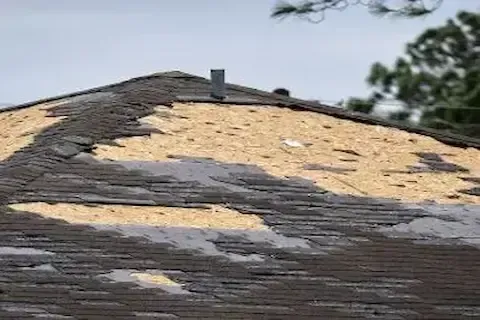
Documenting Hail Damage for Anoka County Insurance
Hail damage documentation requires immediate action and systematic evidence gathering to ensure your Anoka County insurance claim receives proper consideration. Insurance adjusters need clear, timestamped proof that demonstrates the extent and cause of damage to your property. Without proper documentation, even legitimate hail damage claims can face delays or denials that cost you thousands in repair expenses.
Essential Photo Documentation Requirements
Start your documentation process by taking comprehensive photographs from multiple angles and distances. Capture wide shots that show your entire roof structure, then move progressively closer to document specific damage areas. Include reference objects like coins or measuring tools to demonstrate the scale of hail impacts and missing granules.
Timestamp all photos immediately after the storm passes, preferably within 24 hours. Modern smartphones automatically embed date and time information in photo metadata, but consider using apps that display timestamps directly on the image. Take photos of damaged gutters, siding, outdoor equipment, and landscaping to establish the storm's overall impact on your property.
Document the condition of your attic space if accessible, looking for water stains, wet insulation, or daylight visible through damaged areas. These interior shots provide crucial evidence of compromised roof integrity that supports your exterior damage claims.
Measuring and Marking Damage Patterns
Use chalk circles to mark individual hail impact points on your roof, creating a clear visual pattern that adjusters can easily identify and count. This technique works particularly well on darker shingle surfaces where impact points might otherwise blend into the background. Circle each impact that has removed granules or created visible divots in the roofing material.
Measure hailstone sizes using common reference objects like coins, golf balls, or a standard ruler. Document the largest stones you find, as insurance coverage often depends on minimum size thresholds. In Anoka County, storms producing golf ball-sized hail or larger typically trigger comprehensive damage assessments.
Create a simple sketch or diagram showing damage distribution across your roof surfaces. Note which sections experienced the heaviest impact, as wind direction during storms often creates patterns that help verify your damage timeline and authenticate your claim.
Written Inspection Reports and Evidence
Compile a detailed written report that includes the storm date, approximate time, weather conditions, and your initial observations. Note any immediate leaks, missing shingles, or structural concerns that require emergency attention. This written record establishes your damage awareness timeline and demonstrates proactive claim management.
For comprehensive assessment and professional documentation, consider Storm & Hail Damage Roof Repair services that include detailed inspection reports specifically formatted for insurance submissions. Professional contractors understand exactly what evidence adjusters need and can identify damage that untrained eyes might miss.
Include receipts for any emergency repairs or temporary protective measures you implement immediately after the storm. Document materials used, labor costs, and before-and-after photos of emergency work. Insurance policies typically cover emergency mitigation expenses when properly documented and reasonable in scope.
Weather Service Verification
Obtain official weather reports from the National Weather Service that confirm hail activity in your specific area on the damage date. These reports provide independent verification of storm conditions and help establish the credibility of your claim. Weather service data includes storm paths, intensity measurements, and timing information that supports your documentation.
Check local news reports and social media for storm coverage that mentions your neighborhood or nearby areas. News footage, weather radar images, and community storm reports create additional evidence that supports your damage timeline and location accuracy.
Contact your neighbors to determine if they experienced similar damage from the same storm event. Multiple claims from the same area and time period strengthen individual claim credibility and help adjusters understand the storm's overall impact pattern.
Professional Inspection Considerations
Schedule a professional roof inspection within days of the storm to identify damage that might not be visible from ground level. Experienced contractors can safely access steep or damaged roof areas and document problems using specialized equipment and photography techniques. Their reports carry additional weight with insurance adjusters due to their technical expertise and industry knowledge.
Professional inspections often reveal damage to flashing, gutters, vents, and other components that homeowners typically overlook. These elements represent significant repair costs and should be included in comprehensive damage assessments. Missing or incomplete damage documentation can result in inadequate settlement amounts that leave you responsible for uncovered expenses.
Request written estimates from licensed contractors that detail all necessary repairs with itemized costs. Insurance adjusters use these estimates to verify claim amounts and ensure settlement adequacy. Multiple estimates provide additional validation and help establish fair market rates for repair work in the Anoka County area.
Common Documentation Mistakes
Avoid waiting too long to document damage, as weather exposure can worsen initial problems and create questions about damage causation. Insurance companies may attribute deterioration to maintenance issues rather than storm damage if too much time passes between the storm and your documentation efforts.
Don't rely solely on ground-level photos that fail to capture roof damage accurately. Many hail impact patterns are only visible from elevated positions or specific angles that reveal granule loss and impact crater formations. Incomplete photo documentation frequently leads to claim disputes and reduced settlement amounts.
Never attempt emergency repairs without photographing damage in its original condition. Well-meaning repair efforts can eliminate evidence that adjusters need to verify damage extent and approve claim payments. Document first, then implement only necessary emergency measures to prevent additional damage.
Insurance Adjuster Coordination
Organize all documentation in chronological order and prepare multiple copies for adjuster meetings. Create a simple timeline that shows storm occurrence, damage discovery, emergency measures, and professional assessments. This organization demonstrates thorough preparation and helps adjusters process your claim efficiently.
Be present during adjuster inspections and provide access to all documented damage areas. Share your photo evidence and written reports, but allow adjusters to conduct their independent assessments without interference. Professional cooperation builds trust and confidence in your claim legitimacy.
Understanding the importance of proper documentation protects your investment and ensures fair compensation for storm damage. For additional guidance on protecting your Anoka County property, explore comprehensive resources at that cover prevention, maintenance, and recovery strategies for severe weather events.
