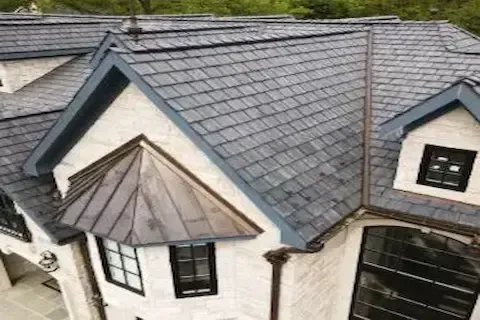
Class 4 Impact Resistant Shingles for Blaine MN Homes
Class 4 impact resistant shingles represent the highest standard of hail protection available for residential roofing systems. These specialized shingles undergo rigorous testing to withstand impacts from hailstones up to two inches in diameter, making them an essential consideration for homeowners in areas prone to severe weather. When you install Class 4 shingles on your Blaine home, you're investing in both superior protection and potential long-term savings through reduced insurance premiums and fewer repair costs.
Understanding Class 4 Impact Resistance Standards
The Underwriters Laboratories (UL) 2218 standard establishes four classes of impact resistance, with Class 4 being the most robust. To achieve this rating, shingles must survive direct impacts from steel balls ranging from 1.25 inches to 2 inches in diameter, dropped from specific heights without cracking or showing granule loss. This testing simulates the impact forces generated by hailstones during severe storms.
Class 4 shingles incorporate advanced materials and construction techniques that differentiate them from standard roofing products. Many feature polymer-modified asphalt, specialized backing materials, or enhanced granule adhesion systems. These improvements allow the shingles to absorb and distribute impact energy more effectively, preventing the cracking and granule displacement that leads to premature roof failure.
The impact resistance doesn't compromise other essential roofing performance characteristics. Class 4 shingles maintain excellent wind resistance ratings, often exceeding 130 mph, and provide the same fire resistance and weatherproofing capabilities as premium standard shingles. This comprehensive protection makes them suitable for the varied weather conditions experienced throughout Minnesota.
Hail Damage Risks in Blaine and Surrounding Areas
Blaine's location in the upper Midwest places it within a region that experiences frequent severe thunderstorms capable of producing damaging hail. The area typically sees multiple hail events each year, with storms occurring most frequently between May and August. These storms can develop rapidly, giving homeowners little warning before hailstones begin impacting their properties.
Local weather patterns create conditions favorable for hailstone formation, particularly during late spring and early summer when temperature differentials between air masses become most pronounced. The flat terrain surrounding Blaine allows storms to maintain intensity over longer distances, increasing the likelihood that developing hailstones will reach significant sizes before striking the ground.
Historical weather data shows that Blaine has experienced multiple significant hail events over the past decade, with several storms producing hailstones exceeding one inch in diameter. Class 4 Impact-Resistant Shingle Installation becomes particularly valuable when considering the frequency and intensity of these weather events.
Standard asphalt shingles begin showing damage from hailstones as small as one inch in diameter, while more severe damage occurs with larger stones. The granule loss and cracking that results from hail impacts creates pathways for water infiltration, leading to interior damage, mold growth, and structural deterioration if not addressed promptly.
Insurance Benefits and Premium Reductions
Many insurance companies offer substantial discounts for homes with Class 4 impact resistant roofing systems, recognizing the reduced claim frequency associated with these products. Typical discounts range from 10% to 30% of the annual premium, with some insurers offering even higher reductions in hail-prone areas.
The premium savings often offset a significant portion of the additional cost for Class 4 shingles over their service life. When combined with reduced repair costs and extended roof life, the financial benefits become even more compelling. Some insurance providers also offer extended coverage options or reduced deductibles for homes with impact-resistant roofing.
To qualify for these discounts, you'll need to provide documentation of the shingle classification and installation. This typically includes manufacturer specifications, contractor certification, and sometimes a third-party inspection. Working with qualified local contractors ensures proper documentation and maximizes your eligibility for available discounts.
The insurance benefits extend beyond premium reductions. Homes with Class 4 shingles often experience faster claim processing and fewer disputes when hail damage does occur, as insurers recognize the legitimate nature of damage that penetrates these protective systems.
Material Options and Performance Characteristics
Several manufacturers produce Class 4 impact resistant shingles, each with unique design features and performance characteristics. Leading options include architectural shingles with modified asphalt formulations, synthetic slate products, and metal roofing systems designed to meet impact resistance standards.
Modified asphalt shingles achieve Class 4 ratings through polymer additives that increase flexibility and impact absorption. These products maintain the traditional appearance of standard asphalt shingles while providing superior protection. They're available in numerous colors and styles to complement various architectural designs common in Blaine neighborhoods.
Synthetic slate and composite shingles offer another pathway to Class 4 protection, often incorporating recycled materials and advanced polymer chemistry. These products typically provide longer service lives than traditional asphalt options and may offer additional benefits such as improved fade resistance and lower maintenance requirements.
Metal roofing systems represent a premium option for achieving impact resistance, with many products exceeding Class 4 standards. While requiring higher initial investment, metal roofs often provide 50-year or longer service lives and excellent performance across all weather conditions encountered in Minnesota.
Installation Considerations and Requirements
Proper installation remains critical for achieving the full protective benefits of Class 4 shingles. The enhanced materials and construction of these products often require specific installation techniques and fastening patterns to ensure optimal performance. Working with contractors experienced in impact-resistant roofing systems prevents installation errors that could compromise protection levels.
Underlayment selection becomes particularly important with Class 4 installations. High-performance synthetic underlayments provide additional protection layers and often work synergistically with impact-resistant shingles to create comprehensive roofing systems. Some manufacturers require specific underlayment products to maintain warranty coverage.
Ventilation design must accommodate the often increased thickness and weight of Class 4 shingles. Proper attic ventilation prevents ice dam formation during Minnesota winters and extends shingle life by managing temperature extremes. Ridge vents, soffit vents, and intake systems should be sized appropriately for the specific roofing materials selected.
Flashing details around chimneys, skylights, and other roof penetrations require careful attention during Class 4 installations. The enhanced durability of these shingles means that flashing systems must be designed to last equally long, preventing premature failure of these critical waterproofing components.
Cost Analysis and Return on Investment
Class 4 impact resistant shingles typically cost 15% to 40% more than standard premium asphalt shingles, with the exact premium depending on the specific product selected and local market conditions. This additional cost must be weighed against the comprehensive benefits these products provide over their service life.
The return on investment calculation includes several factors beyond the initial cost difference. Insurance premium savings, reduced repair costs, extended roof life, and potential increases in property value all contribute to the overall financial benefit. Many homeowners find that the combination of these factors provides positive returns within the first decade of ownership.
Financing options may be available through roofing contractors or specialized home improvement lending programs. Some utility companies and government programs offer rebates or incentives for installing impact-resistant roofing, particularly when combined with energy-efficient features.
When evaluating costs, consider the total cost of ownership rather than just initial installation expense. Standard shingles may require replacement or major repairs following severe weather events, while Class 4 products often continue performing without intervention.
Maintenance and Longevity Expectations
Class 4 impact resistant shingles typically provide longer service lives than standard roofing products, often lasting 25 to 30 years or more with proper maintenance. The enhanced durability that provides impact resistance also improves performance against other weathering factors including UV exposure, thermal cycling, and wind uplift.
Routine maintenance requirements remain similar to standard shingles, involving annual inspections, gutter cleaning, and prompt attention to any damage or debris accumulation. However, the reduced likelihood of weather-related damage means fewer emergency repairs and maintenance interventions over the roof's service life.
Granule retention typically improves with Class 4 products, maintaining both protective and aesthetic qualities longer than standard shingles. This enhanced granule adhesion prevents the gradual weathering that leads to premature replacement in conventional roofing systems.
When maintenance or repairs become necessary, the specialized nature of Class 4 products may require contractors with specific experience and training. Planning for this requirement ensures that any future work maintains the protective qualities and warranty coverage of the original installation.
Professional Installation and Contractor Selection
Selecting qualified contractors with specific experience installing Class 4 impact resistant shingles ensures optimal performance and warranty compliance. Many manufacturers require certified installers to maintain product warranties, making contractor selection particularly important for these premium roofing systems.
Look for contractors who can provide documentation of manufacturer training and certification for the specific products you're considering. This training covers installation techniques, fastening requirements, and quality control measures necessary for achieving full protective benefits.
Local expertise becomes valuable when navigating insurance requirements and documentation for premium discounts. Experienced contractors understand the paperwork and inspection processes required by different insurance companies and can help ensure you receive all available benefits.
The investment in Class 4 impact resistant shingles represents a significant commitment to protecting your Blaine home against severe weather while potentially providing ongoing financial benefits through reduced insurance costs and extended roof life. Working with qualified professionals ensures you maximize these benefits while achieving reliable long-term protection for your property.
